From Fringe to Mainstream: How CBD Gummies Finally Earned a Seat at the Wellness Table
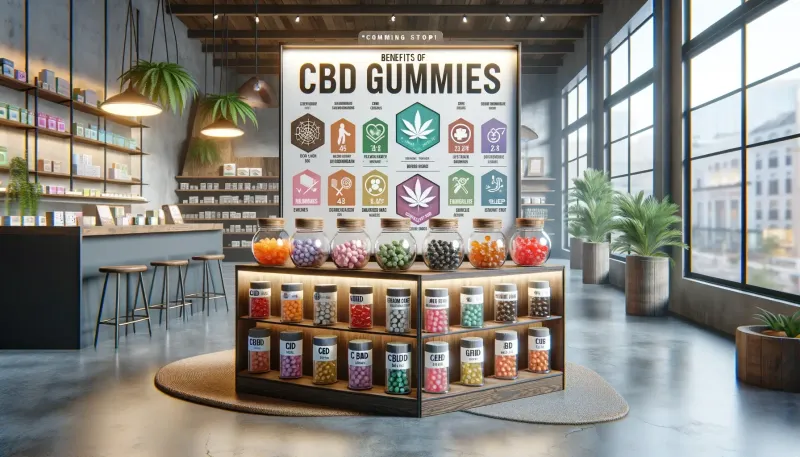
Photo: CBD gummies wellness products on store shelf mainstream retail, via nuudeurope.com
Not that long ago, buying a CBD gummy felt a little like purchasing something from the back of a van. Unlabeled bags, murky sourcing, zero dosage info, and a whole lot of side-eye from friends and family. Fast forward to today, and you'll find CBD gummies displayed prominently at CVS, Whole Foods, and boutique wellness shops across the country. So what changed? Quite a lot, actually.
The story of how CBD edibles shed their sketchy reputation isn't just about better marketing. It's about real structural shifts — in regulation, in manufacturing, in consumer expectations, and in the broader cultural conversation around alternative wellness. Let's break it down.
The Wild West Days (And Why They Couldn't Last)
After the 2018 Farm Bill federally legalized hemp-derived CBD, the market exploded almost overnight. Entrepreneurs, farmers, and opportunists all rushed in. The result was a chaotic landscape where product quality varied wildly, label claims were often exaggerated or outright false, and consumers had almost no reliable way to know what they were actually buying.
Consumer advocacy groups and investigative journalists had a field day. Lab tests on random CBD products regularly revealed that stated potency was way off — sometimes products contained far less CBD than advertised, and in some cases, unlisted compounds showed up in the results. That kind of uncertainty made even curious buyers hesitant.
But here's the thing about market chaos: it tends to self-correct, especially when consumer trust is on the line.
Regulatory Clarity Started Cleaning Things Up
While the FDA has moved cautiously on CBD — it still hasn't issued comprehensive rules for CBD in food and dietary supplements at the federal level — individual states began filling the gap. States like Colorado, California, and New York introduced their own labeling and testing requirements, which forced brands operating in those markets to raise their standards.
In parallel, the industry itself started developing voluntary frameworks. Organizations like the U.S. Hemp Authority launched certification programs that gave brands a way to signal credibility. Third-party lab testing went from a differentiator to a baseline expectation. Brands that couldn't or wouldn't publish a Certificate of Analysis (COA) quickly found themselves losing ground to competitors who could.
This gradual tightening of standards — even without a single sweeping federal regulation — started weeding out the most egregious actors and gave conscientious brands room to build genuine reputations.
Quality Got Serious, and Consumers Noticed
Around 2020 and 2021, something notable happened on the product side: CBD gummies started getting genuinely good. Not just "good enough," but actually well-formulated, thoughtfully dosed, and made with ingredients that didn't read like a chemistry experiment gone wrong.
Brands began investing in better extraction methods — CO2 extraction became a quality marker consumers learned to look for. Gummy formulations improved, with manufacturers figuring out how to stabilize CBD in pectin-based and gelatin-based formats without degrading potency. Some companies started layering in complementary ingredients: melatonin for sleep support, ashwagandha for stress, L-theanine for calm focus.
The result was a product category that started to feel more like a legitimate supplement and less like a novelty item. When something tastes good, works consistently, and comes with transparent labeling, people talk about it — and word of mouth is powerful.
Celebrity Culture and the Mainstream Stamp of Approval
Let's be honest: celebrity endorsements played a role here too. When high-profile names in sports, entertainment, and wellness started publicly discussing their use of CBD products — from NFL veterans to lifestyle influencers — it accelerated mainstream acceptance in a way that no amount of scientific literature could on its own.
This wasn't just about glamour. Many of these endorsements came with personal stories: a retired athlete managing post-career joint discomfort, a celebrity dealing with travel-related sleep disruption, a wellness entrepreneur incorporating CBD into a broader health routine. Those narratives made CBD gummies feel relatable rather than radical.
Retail distribution followed the cultural shift. Once major chains recognized consumer demand was real and growing, shelf space opened up. That visibility — seeing CBD gummies next to vitamins and melatonin at your local drugstore — normalized them in a way that online-only sales simply couldn't.
What Legitimacy Looks Like to Today's Buyer
Modern CBD gummy consumers are more sophisticated than ever, and they've developed a pretty clear mental checklist for what a trustworthy product looks like. If you're trying to figure out whether a brand has actually earned its credibility, here are the signals today's discerning buyers are looking for:
Transparent third-party testing. A current, batch-specific COA from an accredited lab isn't optional anymore — it's the price of admission. Buyers want to see cannabinoid potency confirmed, heavy metals screened, and pesticide residue checked.
Clear, honest labeling. The CBD content per gummy should be stated in milligrams, not hidden in vague "hemp extract" language. Full-spectrum, broad-spectrum, and isolate distinctions should be clearly communicated.
Realistic claims. Brands that have learned their lesson aren't making disease treatment claims. They talk about supporting wellness, promoting relaxation, or complementing a sleep routine — language that's both honest and legally appropriate.
Ingredient integrity. Consumers are reading labels more carefully. Artificial dyes, corn syrup-heavy formulas, and mystery flavorings are increasingly deal-breakers for health-conscious buyers.
Brand accountability. A real company with a real address, responsive customer service, and a track record of standing behind their products is now a baseline expectation, not a bonus.
The Road Ahead
The CBD gummy market still has room to grow — and room to improve. Federal regulatory clarity from the FDA would be a meaningful step forward, giving consumers even more confidence and pushing out the remaining bad actors who exploit ambiguity. Ongoing research into CBD's mechanisms and effects will continue to inform both product development and consumer understanding.
But the transformation that's already happened is real and worth recognizing. Five years ago, recommending a CBD gummy to a friend felt like a gamble. Today, it feels more like recommending a supplement you've done your homework on — because the industry has done more of its homework too.
That's not a small thing. It's the difference between a fad and a lasting category. And if the trajectory of the past few years is any indication, CBD gummies are firmly in the latter camp.