Pop, Chew, Done: Why CBD Gummies Are Winning the Delivery Format War

Walk into any health food store, pharmacy, or wellness boutique in America right now and you'll find CBD in just about every form imaginable — oils, capsules, tinctures, creams, patches, beverages, and yes, gummies. Lots and lots of gummies. So what's the deal? Is the gummy format just a marketing gimmick wrapped in a fruity shell, or is there something genuinely practical about reaching for a chewable over, say, a dropper full of oil?
Spoiler: it's not just about flavor. There are real, tangible reasons why gummies have become the dominant CBD delivery format in the US market — and understanding those reasons can actually help you make smarter choices about your own wellness routine.
The Dosing Problem Nobody Talks About Enough
Let's start with one of the most underrated advantages of gummies: consistency.
When you're working with a CBD oil or tincture, you're typically measuring out doses with a dropper. Sounds simple enough, right? Except that dropper measurements can vary depending on how you hold the bottle, whether you squeeze too hard, and how much oil is left in the bottle. A 1mL dose in theory can be a 0.7mL dose in practice — and over time, that inconsistency adds up.
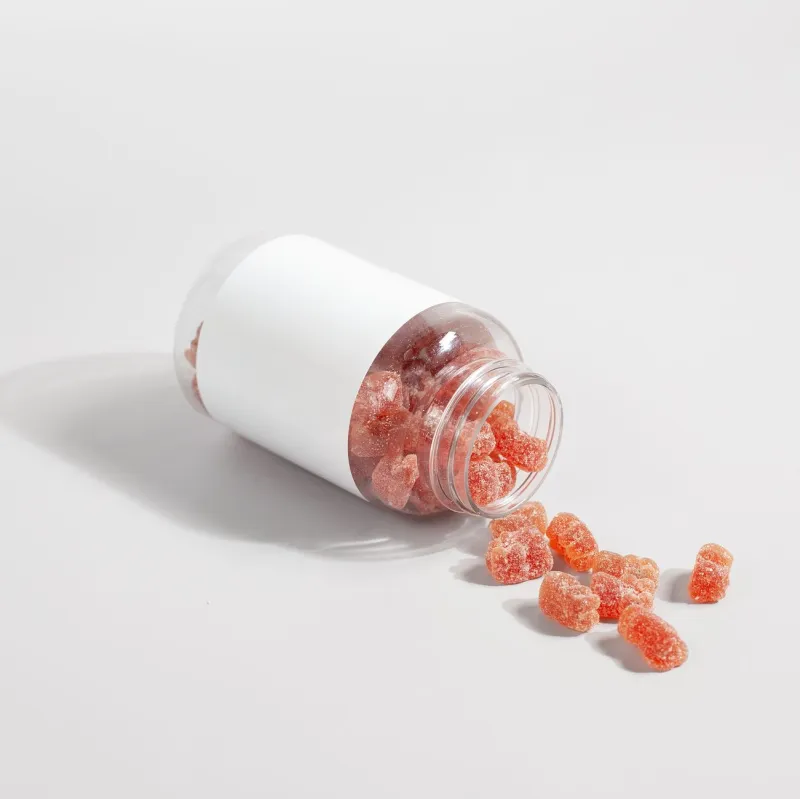
Gummies sidestep this entirely. Each piece is manufactured to contain a specific milligram amount of CBD, and that amount stays the same from the first gummy in the bag to the last. Whether you're grabbing one at 7am before work or one at 11pm before bed, you know exactly what you're getting. For people who are tracking their CBD intake carefully — especially those using it to support sleep or manage day-to-day stress — that reliability genuinely matters.
Oils and Tinctures: Powerful, But Fussy
CBD oils and tinctures are often pitched as the "serious" option — the choice for people who really mean business about their cannabinoid routine. And there's something to that. Sublingual absorption (holding oil under your tongue for 60 to 90 seconds) can get CBD into your bloodstream faster than a gummy, since it partially bypasses the digestive system.
But here's the trade-off: that method requires attention and patience. You've got to measure, hold, wait, and deal with the flavor — which, even in the best formulations, tends to have a pretty assertive earthy or grassy quality. Not everyone loves that. And when you're half-asleep at night or rushing out the door in the morning, the sublingual routine can feel like one step too many.
Gummies ask almost nothing of you. Open the bag, chew, swallow. Done.
What About Capsules?
Capsules are the "no fuss" alternative that a lot of people gravitate toward, and they share some of the consistency benefits that gummies offer. Pre-measured doses, easy to take, no flavor issues. So why do gummies still outpace them in popularity?
A few reasons. First, capsules require water to swallow comfortably, and they feel more clinical — more like taking a supplement than incorporating something into a wellness routine. Gummies, on the other hand, feel like a small, intentional moment of self-care. That psychological dimension isn't trivial. Wellness habits that feel enjoyable are habits people actually stick with.
Second, gummies tend to be more portable and socially low-key. Pulling a small bag of gummies out of your desk drawer or gym bag raises approximately zero eyebrows. Capsule bottles, depending on the labeling, can prompt questions you might not feel like answering.
Topicals: A Completely Different Tool
Creams, balms, and roll-ons deserve a mention here, but it's worth noting that they're really solving a different problem. Topical CBD products are designed for localized use — think sore muscles after a long run, or tension in a specific area. The CBD in a topical generally doesn't reach the bloodstream in meaningful amounts, which means it's not doing the same systemic work that an ingested product does.
So topicals aren't really competing with gummies. They're complementary. If you're someone who uses CBD for whole-body wellness — supporting sleep, managing everyday stress, or general recovery — a topical alone isn't going to cut it. Gummies (or another ingestible format) are what you want for that broader effect.
The Absorption Question: Let's Be Honest
Here's where some CBD gummy marketing gets a little slippery, and it's worth being straightforward about it.
Gummies do have a slower onset than sublingual oils. Because they're digested, it typically takes anywhere from 30 minutes to two hours to feel the effects, depending on your metabolism, what you've eaten, and your individual body chemistry. Oils absorbed under the tongue work faster — sometimes within 15 to 30 minutes.
The bioavailability of gummies (meaning how much CBD actually makes it into your system) has historically been a point of criticism, since digestion degrades some of the compound before it reaches the bloodstream. However, many modern gummy formulations use nano-emulsification or water-soluble CBD technology to improve absorption significantly. If you're comparing a well-formulated gummy to a poorly made oil, the gummy may actually win on bioavailability.
The takeaway? For most people using CBD as part of a daily routine rather than seeking immediate, acute effects, the slower onset of a gummy is a non-issue. You take it, you go about your day or evening, and it works in the background.
Discretion and Lifestyle Fit
America is a busy place, and wellness products that fit into real life — rather than demanding that life reorganize around them — tend to win. Gummies check that box completely.
They travel well. They don't require refrigeration. They don't spill. They look like any other vitamin or supplement gummy you might take, which means they're easy to bring to the office, toss in a gym bag, or pack for a weekend trip. For people who are new to CBD and a little self-conscious about incorporating it into their routine, the low-profile nature of a gummy makes the whole thing feel much less intimidating.
So Which Format Is Actually Best?
Honest answer: it depends on what you're trying to do. If you need fast-acting relief and don't mind the sublingual ritual, a quality tincture has real advantages. If you're dealing with localized soreness, a topical balm is your friend. Capsules work well for people who prefer a strictly clinical approach to supplementation.
But for everyday, consistent cannabinoid wellness — the kind of routine that most Americans are building around sleep, stress, and recovery — gummies offer a combination of precision, convenience, palatability, and portability that other formats simply can't match all at once. That's not hype. That's just why the format has earned its place at the top.
And honestly? Life's complicated enough. Sometimes the best wellness tool is the one you'll actually remember to use.