Why the Number on Your CBD Gummy Label Doesn't Tell the Whole Story
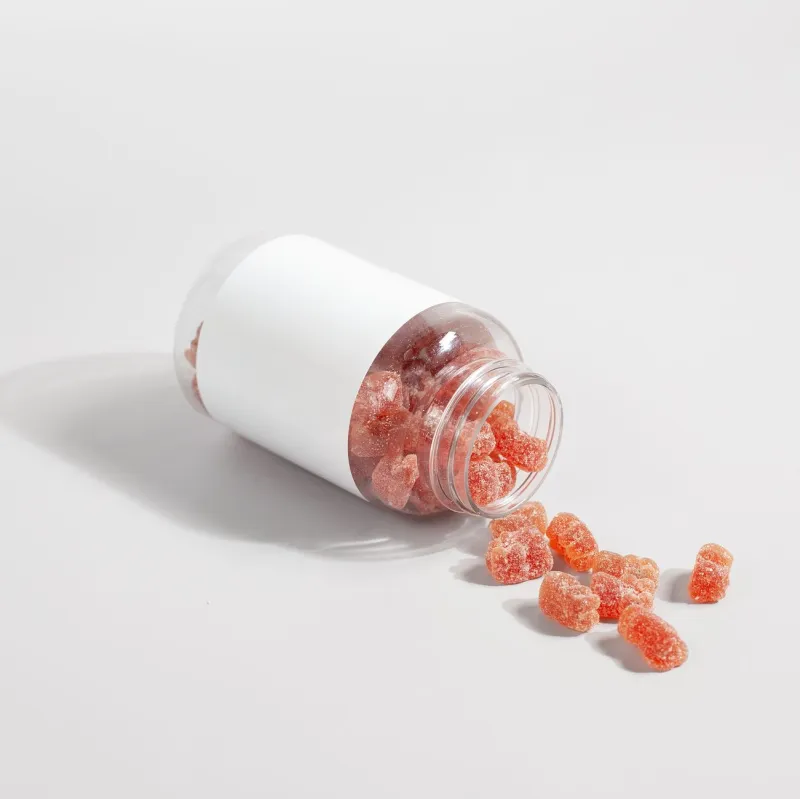
Let's say you and your coworker both grab the same brand of CBD gummies off the shelf. Same bottle, same dosage, same flavor. You take yours before bed and sleep like a rock. She takes hers and feels basically nothing. Same product, wildly different outcomes — so what gives?
This isn't just an anecdote. It's a real phenomenon rooted in biology, chemistry, and a concept called bioavailability that most CBD brands aren't exactly rushing to explain on their packaging. If you've ever wondered why your CBD gummies seem to work great one week and fall flat the next, or why a friend swears by a dose that does nothing for you, this deep dive is worth your time.
What Bioavailability Actually Means
Bioavailability is a pharmacology term that refers to the percentage of a substance that actually enters your bloodstream and becomes available to do its job. With an IV drug, bioavailability is essentially 100% — it goes straight into circulation. With an edible like a CBD gummy? The number drops significantly.
Most research suggests that oral CBD bioavailability sits somewhere between 6% and 20%, though some estimates go a little higher depending on conditions. That means if you eat a gummy labeled at 25mg of CBD, your body might actually process anywhere from 1.5mg to 5mg of active cannabinoid. The rest gets broken down or filtered out before it ever reaches your bloodstream.
That's not a flaw, exactly — it's just how oral consumption works. But it does mean the number on the label is more of a starting point than a precise delivery guarantee.
The Digestive Gauntlet
When you swallow a CBD gummy, it embarks on a surprisingly long journey before any of that cannabinoid reaches your system. First, your stomach acid and digestive enzymes begin breaking down the gummy. Then the contents move into the small intestine, where absorption starts to happen. From there, CBD travels through the portal vein to the liver — and this is where things get interesting.
The liver applies what's called the first-pass effect, a metabolic process that significantly reduces the concentration of many compounds before they hit general circulation. Enzymes in the liver, particularly from the CYP450 family, metabolize CBD — meaning a chunk of what you consumed simply gets converted into other compounds and cleared out.
The result? A meaningful portion of that labeled milligram count never makes it to the finish line.
Why Two People React So Differently
Here's where individual biology really takes center stage. Several personal factors influence how efficiently your body absorbs CBD from a gummy:
Gut health plays a huge role. People with conditions like irritable bowel syndrome, leaky gut, or even just chronic inflammation may absorb CBD less efficiently than someone with a well-functioning digestive tract. The integrity of your intestinal lining directly affects how well cannabinoids pass through.
Metabolism speed matters too. Fast metabolizers process compounds quickly, which can mean a shorter window of effect. Slower metabolizers may feel effects longer — or may need less to feel anything at all.
Body composition is another variable. CBD is fat-soluble, which means it can be stored in fatty tissue. People with higher body fat percentages may find that CBD accumulates differently compared to someone with a leaner composition, potentially affecting onset time and duration.
Age shifts the equation as well. As we get older, digestive efficiency tends to decrease, enzyme activity changes, and liver function can slow — all of which can alter how CBD is processed.
Food Makes a Bigger Difference Than You'd Think
One of the most underappreciated factors in CBD absorption is whether you take your gummy on an empty stomach or with food — and specifically, what kind of food.
CBD is lipophilic, meaning it binds to fat. Research has shown that consuming CBD alongside a high-fat meal can dramatically increase its bioavailability. One study found that taking CBD with a fatty meal increased absorption by up to four times compared to fasting conditions. So that gummy you're taking first thing in the morning before breakfast? You might be getting a fraction of what you'd absorb if you took it with avocado toast or a handful of nuts.
Timing your CBD intake around meals isn't just a wellness tip — it can genuinely change the effectiveness of your routine.
Manufacturing Consistency: A Quiet Variable
Even before any of the above factors come into play, there's the question of what's actually in the gummy to begin with. The CBD industry, while growing fast, is still loosely regulated at the federal level. Third-party lab testing has become the gold standard for quality assurance, but not every brand participates — and even among those that do, testing methods and standards can vary.
Studies examining CBD products on the market have found real discrepancies between labeled potency and actual cannabinoid content. Some products contain less CBD than advertised. Others contain more. A few have tested positive for residual solvents or unlisted compounds. Without consistent manufacturing oversight, the labeled milligram count can be an approximation at best.
This is why reputable brands publish Certificates of Analysis (COAs) from independent labs — and why checking those documents before you commit to a product is one of the smartest moves a consumer can make.
So What Can You Actually Do With This Information?
Knowing that bioavailability is variable doesn't mean CBD gummies don't work — it just means a little strategy goes a long way.
- Take your gummies with food, especially something with healthy fats, to maximize absorption.
- Start low and go slow when dialing in your dose, since the effective amount varies person to person.
- Look for COAs from brands you're considering — and actually read them.
- Give it time. CBD gummies can take 30 minutes to two hours to kick in, and consistent daily use over several weeks tends to produce more noticeable results than occasional dosing.
- Consider the formulation. Some brands use nano-emulsified CBD or water-soluble formats specifically designed to improve bioavailability. These can be worth exploring if you've felt underwhelmed by standard gummies.
The Bottom Line
The milligram count on a CBD gummy label is a useful piece of information, but it's not the full picture. Your body is doing a lot of work between that first chew and the moment CBD actually enters your bloodstream — and factors like your gut health, metabolism, diet, and even the manufacturing quality of the product all shape the final result.
Understanding this gap between labeled content and actual absorption doesn't make CBD gummies less valuable. If anything, it makes you a smarter consumer — one who knows how to optimize their routine, read between the lines on product labels, and set realistic expectations. And that's a pretty solid foundation for any wellness practice.