Chew on This: The Surprisingly Big Role That Taste and Texture Play in Your CBD Routine
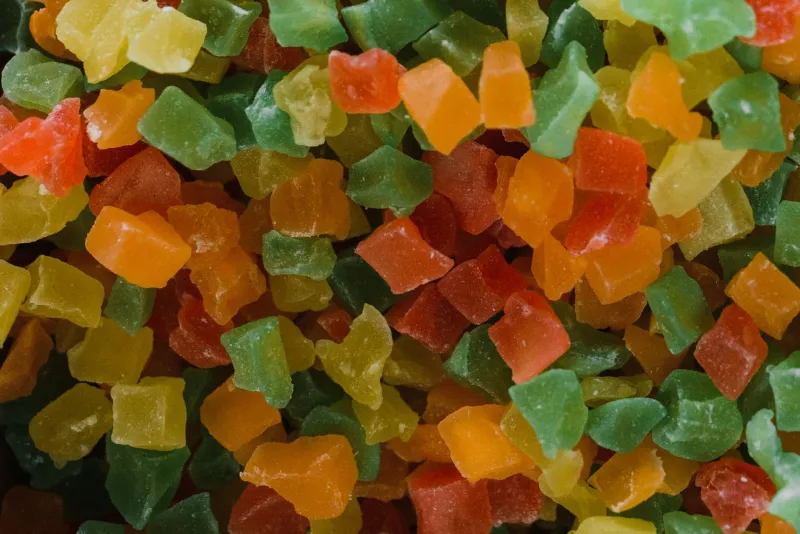
Let's be honest. When most people start shopping for CBD gummies, they zero in on a few familiar data points—potency, price, third-party lab testing, maybe the brand's reputation. What rarely makes the list? Whether the thing actually tastes good.
That might seem like a minor detail, but anyone who's ever gagged down a chalky supplement or forced themselves through a bottle of fish oil capsules knows the truth: if something is unpleasant to take, you eventually stop taking it. And in the world of cannabinoid wellness, where consistency is everything, that's a real problem.
Why Compliance Is the Quiet Enemy of Wellness
Health professionals have a word for this: adherence. It's the degree to which someone sticks to a recommended health behavior over time. And it turns out, taste is one of the most powerful predictors of whether people keep up with any supplement routine—not just CBD.
Research in pharmaceutical sciences has long shown that palatability dramatically affects patient compliance, particularly with oral formulations. The same logic applies to wellness supplements. If you dread taking something, your brain starts finding reasons to skip it. You forget. You run out and don't reorder. You convince yourself you'll restart Monday.
CBD gummies were, in many ways, designed to solve exactly this problem. By wrapping cannabidiol in a familiar, candy-like format, brands made it easier for people to build a daily habit around something that might otherwise feel medicinal or intimidating. But not all gummies are created equal—and the gap between a gummy you look forward to and one you merely tolerate is bigger than it sounds.
What Goes Into Making a Great CBD Gummy
Manufacturers who take this seriously will tell you that formulating a CBD gummy is genuinely complex. You're not just adding CBD oil to gelatin and calling it a day. The challenges stack up fast.
CBD extract—especially full-spectrum oil—has a naturally earthy, slightly bitter taste. Masking that without loading the product with artificial flavors or excess sugar requires real culinary skill. Some brands use natural fruit concentrates, tart coatings, or layered flavor profiles to balance the hemp notes. Others lean into it, targeting consumers who prefer a more "natural" taste experience.
Texture is equally tricky. The chewiness of a gummy depends on the ratio of gelatin (or pectin, for vegan formulas) to sugar and water, plus processing temperature and humidity during production. Too firm, and it feels like you're gnawing on a car tire. Too soft, and it falls apart or sticks to the packaging. The sweet spot—pun intended—takes real formulation expertise.
Vegan, Sugar-Free, Organic: Does the Formula Change the Experience?
The rise of specialized gummy formulations has added another layer of complexity for consumers. Vegan gummies, which swap animal-derived gelatin for plant-based pectin, tend to have a softer, slightly more yielding texture. Many people actually prefer them—though pectin-based gummies can be more sensitive to heat, which matters if you're leaving them in a hot car or gym bag.
Sugar-free gummies, typically sweetened with erythritol, stevia, or monk fruit, have come a long way. Early versions had a noticeable cooling aftertaste or a slightly synthetic sweetness that some users found off-putting. Newer formulations are considerably more refined, though personal taste varies widely—some people are more sensitive to sugar alcohols than others.
Organic gummies use certified organic ingredients throughout, including the hemp extract and any added flavorings or colorings. This often appeals to consumers who are already eating clean and want their supplements to align with that lifestyle. Taste-wise, organic formulas can sometimes have a more complex, less uniform flavor—a tradeoff some consumers embrace and others don't.
The Psychology of the Ritual
There's something else going on here that's worth naming: the psychology of ritual. When a CBD gummy tastes genuinely good—when it's something you actually look forward to at the end of a long day or as part of your morning wind-down—it becomes a cue. A small, pleasurable signal that you're doing something intentional for yourself.
Behavioral researchers call this "temptation bundling" when it's applied strategically, but it happens organically too. Pairing a positive sensory experience with a wellness behavior reinforces the habit loop. The gummy stops being a supplement you have to remember to take and becomes a small moment you want to have.
This isn't just feel-good reasoning. Users who genuinely enjoy their CBD gummies tend to report higher satisfaction with their overall wellness routines—not necessarily because the CBD is working differently, but because they're actually taking it consistently. And consistency, in almost every wellness context, is where results actually come from.
Practical Tips for Finding Your Perfect Gummy
So how do you find a CBD gummy that you'll actually want to take every day? A few things worth considering:
Sample before you commit. Many brands offer smaller starter packs or variety options. Use them. A 30-count bottle of something you can't stand is not a bargain at any price.
Pay attention to aftertaste. The initial flavor of a gummy can be pleasant while the hemp aftertaste lingers longer than you'd like. Read reviews specifically mentioning taste, not just effectiveness.
Consider your dietary needs upfront. If you're vegan, keto, or avoiding added sugars, narrow your search before falling in love with a formula that doesn't fit your lifestyle.
Don't assume more expensive means better tasting. Flavor is surprisingly independent of price point. Some mid-range brands have invested heavily in palatability; some premium brands assume the consumer will tolerate mediocre taste in exchange for quality extract.
Check the serving size. Some gummies require two or three pieces to hit the labeled dose. That changes the flavor experience—and your daily sugar intake—significantly.
The Bottom Line
In cannabinoid wellness, the best product is the one you actually use. That sounds obvious, but it's easy to lose sight of when you're deep in lab reports and certificate-of-analysis documents. Taste and texture aren't superficial features—they're functional ones. They determine whether your CBD routine is something you maintain for a week or something that genuinely becomes part of how you take care of yourself.
The gummy format exists for a reason. Lean into it. Find something that tastes good to you, fits your dietary preferences, and feels like a small reward rather than a chore. Your wellness routine will thank you for it.