Don't Get Burned: How to Weed Out Sketchy CBD Gummies Before You Spend a Dime

Photo: John Robert McPherson, CC0, via Wikimedia Commons
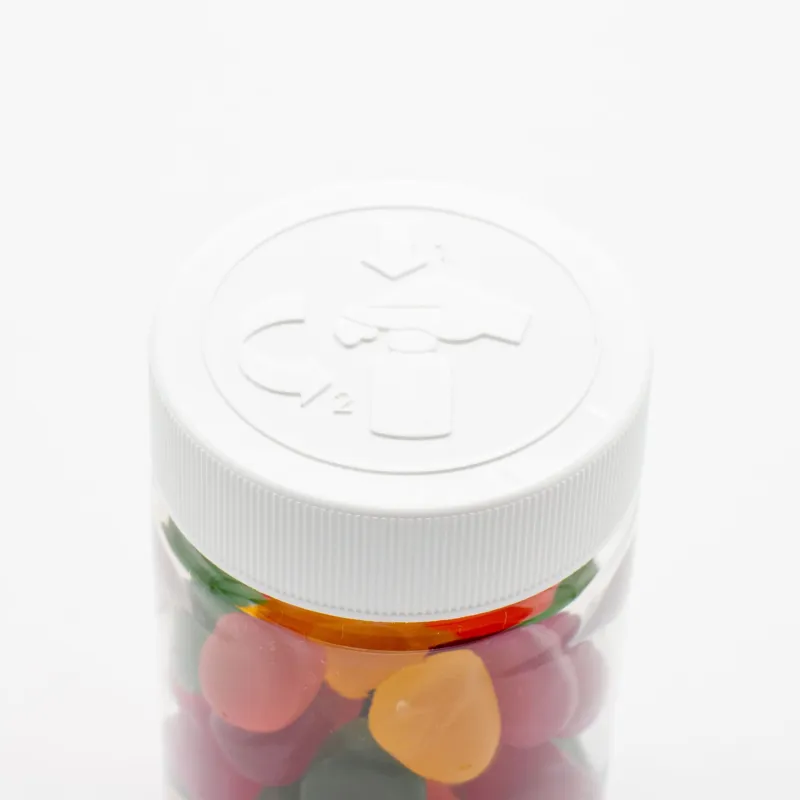
Walk through any pharmacy, health food store, or gas station in America right now and you'll find CBD gummies staring back at you from the shelves. They come in every flavor, potency, and price point imaginable. Some of them are genuinely solid products made by companies that care about quality. Others? Not so much.
The problem is that from the outside, it's nearly impossible to tell the difference. A slick label and a bold health claim don't cost much to print. Third-party testing, transparent sourcing, and honest manufacturing practices — those take actual investment. And a lot of brands would rather skip that part.
So how do you protect yourself? You learn what to look for before your money leaves your wallet.
The Third-Party Testing Problem (Or Lack Thereof)
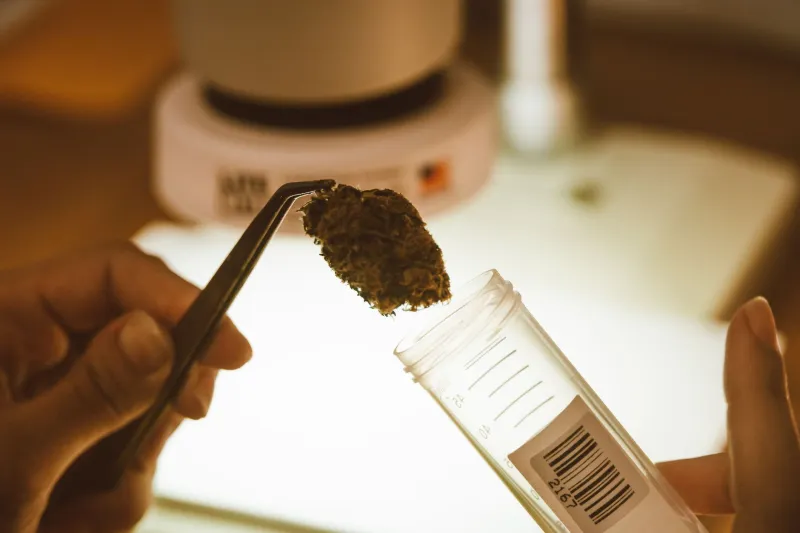
This is the single biggest red flag in the CBD space, and it's worth starting here. Any reputable CBD brand should be able to show you a Certificate of Analysis, commonly called a COA, from an independent laboratory. This document confirms what's actually in the product — including the cannabinoid content, potential contaminants like heavy metals and pesticides, and residual solvents from the extraction process.
If a brand doesn't publish COAs on its website, doesn't make them available when you ask, or only shows you testing done by an in-house lab, that's a serious problem. In-house testing is basically a company grading its own homework. It means nothing.
Also worth checking: the date on the COA. Some companies post a single test result from years ago and call it a day. You want to see recent, batch-specific testing — ideally with a QR code on the packaging that links directly to the relevant certificate.
Vague or Missing Sourcing Information
Where does the hemp come from? It's a simple question, but a surprising number of CBD brands either bury the answer in fine print or don't answer it at all.
This matters because hemp is what's called a bioaccumulator — it absorbs whatever is in the soil around it, including heavy metals, pesticides, and other contaminants. Hemp grown on clean, regulated US farmland under the 2018 Farm Bill is a very different product from hemp imported with little oversight or traceability.
Look for brands that clearly state they source from US-grown hemp, ideally from farms they have an established relationship with. "Domestically sourced" is a good sign. "Hemp extract" with zero additional information is not.
Outrageous Health Claims Should Make You Nervous
Here's something the FDA is pretty firm about: CBD products cannot legally claim to treat, cure, or prevent any disease or medical condition. Full stop. Brands that plaster their packaging with promises like "eliminates anxiety," "cures insomnia," or "fights cancer" aren't just being aggressive with their marketing — they're operating outside the law.
Beyond the legal issue, these claims signal something about how a company operates. If they're willing to make promises they can't legally or scientifically back up, what else are they being loose with? The phrasing to watch for includes absolute language — words like "cures," "treats," "eliminates," or "guaranteed to work." Reputable companies use softer, research-informed language and are careful to stay on the right side of regulatory guidelines.
Suspiciously Low Prices: The Race to the Bottom
CBD gummies done right are not cheap to produce. Quality hemp costs money. Proper CO2 extraction costs money. Third-party lab testing costs money. Good manufacturing practices, clean ingredients, and reliable quality control — all of it costs money.
When you see a 60-count bottle of "1000mg full-spectrum CBD gummies" priced at $10, something is off. Either the actual CBD content is far lower than advertised, the hemp is low-quality or poorly sourced, the extraction process is cutting corners, or the "CBD" in the product is closer to hemp seed oil — which contains essentially no CBD at all.
This last point is worth emphasizing. Hemp seed oil is derived from the seeds of the hemp plant and has its own nutritional benefits, but it is not the same as CBD extract. Some brands intentionally blur this line. Check the supplement facts panel: you're looking for "hemp extract" or "cannabidiol" listed with an actual milligram amount, not just "hemp seed oil."
Ingredient Lists That Read Like a Chemistry Experiment
A CBD gummy doesn't need twenty unpronounceable additives to do its job. When you flip a package over and the ingredient list goes on forever — artificial dyes, synthetic flavoring compounds, high fructose corn syrup, and a parade of preservatives — that's worth pausing on.
This isn't about demanding perfection from every product. But a long list of questionable additives can undermine whatever wellness benefit you're hoping the CBD provides. Look for gummies made with recognizable ingredients, natural coloring (like fruit and vegetable juice), and clean sweeteners. It's a sign that the brand is thinking about the whole product, not just the marketing angle.
No Clear Contact Information or Customer Support
This one sounds basic, but it's genuinely telling. Legitimate companies have real addresses, real customer service channels, and real humans (or at least real chatbots) available to answer questions. If a brand's website has no physical address, no phone number, and a contact form that leads nowhere, ask yourself why they're making it so hard to reach them.
Also worth a quick search: look up the brand name alongside words like "complaint," "scam," or "review" before you buy. The Better Business Bureau and consumer review platforms can surface patterns of problems that don't show up in a brand's curated testimonials.
Putting It All Together
Shopping for CBD gummies shouldn't feel like defusing a bomb, but it does require a little homework. The good news is that the checklist is manageable:
- COAs from independent labs, recent and batch-specific
- Clear US hemp sourcing
- No illegal disease treatment claims
- Pricing that reflects real production costs
- Actual CBD extract, not just hemp seed oil
- A reasonably clean ingredient list
- Real, reachable customer support
The brands that check all of these boxes aren't hard to find — they're just easy to overlook when cheaper, flashier options are sitting right next to them. Taking five extra minutes to vet a product before buying isn't paranoia. In a market this crowded and this loosely regulated, it's just smart shopping.