Taste Test: How to Find CBD Gummies That Actually Taste Great Without Cutting Corners
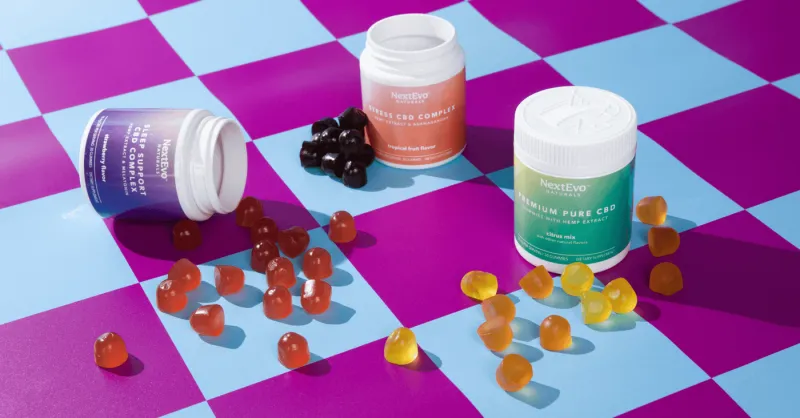
Photo: colorful CBD gummies assorted flavors close up natural ingredients, via nextevo.com
Let's be honest about something: taste matters. Not just for enjoyment, but for consistency. If your CBD gummies taste like grass clippings mixed with artificial sweetener, you're going to start skipping doses. And a supplement you don't actually take isn't doing you any good.
The flavor gap between CBD gummies on the market is genuinely wide. Some taste like something you'd happily reach for out of a candy bowl. Others have that unmistakable hemp-forward bitterness that announces itself the moment they hit your tongue. Understanding why that gap exists — and what it means about the product behind the flavor — is more useful than any taste review.
Why Some CBD Gummies Taste So Bad
The earthy, slightly bitter taste associated with hemp-derived CBD isn't imaginary — it's chemistry. Full-spectrum CBD extracts contain not just cannabidiol but also terpenes, flavonoids, chlorophyll residues, and other plant compounds. Many of these contribute to the characteristic "hempy" flavor profile that some people find tolerable and others genuinely can't get past.
Beyond the extract itself, the carrier oils used in gummy formulations — often MCT oil or hemp seed oil — add their own flavor dimension. MCT oil is relatively neutral, but hemp seed oil has a distinct nuttiness that can be noticeable depending on concentration.
Lower-quality products sometimes mask these flavors with heavy doses of artificial sweeteners or overpowering synthetic fruit flavors. You end up with something that's simultaneously too sweet and still kind of weird-tasting. It's the flavor equivalent of putting air freshener over a bad smell.
The Spectrum Question and What It Means for Flavor
The type of CBD extract used has a direct impact on taste — and it's one of the first things to consider when evaluating a product.
Full-spectrum extracts retain the widest range of plant compounds, which means more flavor complexity (and more of that earthy hemp character). The potential upside is the entourage effect — the theory that cannabinoids and terpenes work better together. The flavor tradeoff is real, though.
Broad-spectrum extracts remove THC while retaining other cannabinoids and terpenes. The flavor profile is similar to full-spectrum but sometimes slightly milder, depending on the specific extraction process.
CBD isolate is the most neutral-tasting option. It's pure CBD with no other plant compounds, which means no earthy hemp flavor to work around. Brands using isolate have the most flexibility in creating genuinely candy-like gummies. The tradeoff is that you lose the potential synergistic benefits of a whole-plant extract.
Neither option is objectively better — but knowing which one you're buying helps you set appropriate taste expectations and understand what you're actually getting.
What Separates Premium Flavoring From Cheap Shortcuts
Not all flavoring approaches are equal, and the choices brands make here often reflect their broader commitment to quality.
Natural vs. Artificial Flavors
The label distinction between "natural flavors" and "artificial flavors" sounds straightforward but is actually more nuanced. "Natural flavors" under FDA definitions means the flavoring agents are derived from natural sources — fruit, vegetables, herbs, spices, etc. — but the actual compounds used can still be highly processed.
That said, products using real fruit juice concentrates, organic fruit powders, or whole botanical extracts for flavoring tend to produce a more genuine, complex taste than those relying on synthetic fruit flavor compounds. They're also less likely to include unnecessary additives.
The Sugar Situation
How a gummy is sweetened affects both taste and quality. Cane sugar and tapioca syrup tend to produce cleaner, more familiar gummy textures. Some brands use alternative sweeteners like stevia, monk fruit, or erythritol to reduce sugar content — these can work well, but the taste profile is different and takes some getting used to. Excessive corn syrup is often a sign of a cheaper formulation.
Citric Acid and the "Sour" Trick
A lot of gummy manufacturers use citric acid to add a pleasant tartness that makes gummies taste more like premium candy and also helps mask hemp bitterness. In moderate amounts, this is a legitimate and harmless flavoring technique. The issue arises when citric acid is used in very high concentrations — some research suggests it may affect tooth enamel with prolonged exposure, and it can cause stomach discomfort in sensitive individuals.
Artificial Colors
Bright, vibrant gummies often get there with synthetic dyes like Red 40 or Yellow 5. These are FDA-approved, but some consumers prefer to avoid them. Naturally colored gummies using beet juice, turmeric, or spirulina extracts are increasingly common in premium products. Interestingly, brands that make the effort to use natural colorants tend to apply the same philosophy to their entire formulation — it's often a reliable proxy for overall quality consciousness.
How to Evaluate Taste Before You Commit
Buying CBD gummies purely on flavor descriptions in marketing copy is a gamble. Here are more reliable strategies:
Look for sample packs or single-count options. Many reputable brands offer variety packs or smaller quantities specifically so you can try before buying a full bottle. This is the single most effective way to test flavor without overspending.
Read verified purchase reviews with skepticism and pattern recognition. Don't put too much weight on any single review, but if dozens of verified buyers consistently mention a specific flavor note — positive or negative — that's meaningful signal.
Check the ingredient list for flavoring specifics. "Natural strawberry flavor" and "strawberry juice concentrate" are different things. The more specific the ingredient, generally the more intentional the formulation.
Consider the extract type relative to your taste preferences. If you're sensitive to hemp bitterness, a broad-spectrum or isolate-based product with natural flavoring is likely to be more enjoyable than a full-spectrum option, regardless of how good the brand's marketing looks.
Does Better Taste Mean Lower Quality?
This is a fair concern — the worry that a really good-tasting gummy must have sacrificed cannabinoid content or integrity to get there. The short answer is: not necessarily.
A well-formulated full-spectrum or broad-spectrum gummy can taste genuinely good with the right combination of extract quality, natural flavoring, and formulation expertise. The key is that the flavoring approach shouldn't require compromising the CBD content or introducing ingredients that interfere with absorption.
The best signal of quality isn't taste alone — it's taste plus transparency. A brand that tastes great, publishes current third-party lab reports, clearly discloses its extract type, and lists specific ingredients is demonstrating that it's not using good flavor as a cover for cutting corners elsewhere.
The Bottom Line
Flavor and quality aren't mutually exclusive. The best CBD gummies on the market manage to be both genuinely enjoyable to eat and rigorously formulated. The trick is knowing what to look for — and understanding that the ingredient choices behind the flavor are often the same choices that determine whether the product actually delivers.