Keep It Fresh: The Ultimate Storage Guide for CBD Gummies That Actually Stay Potent
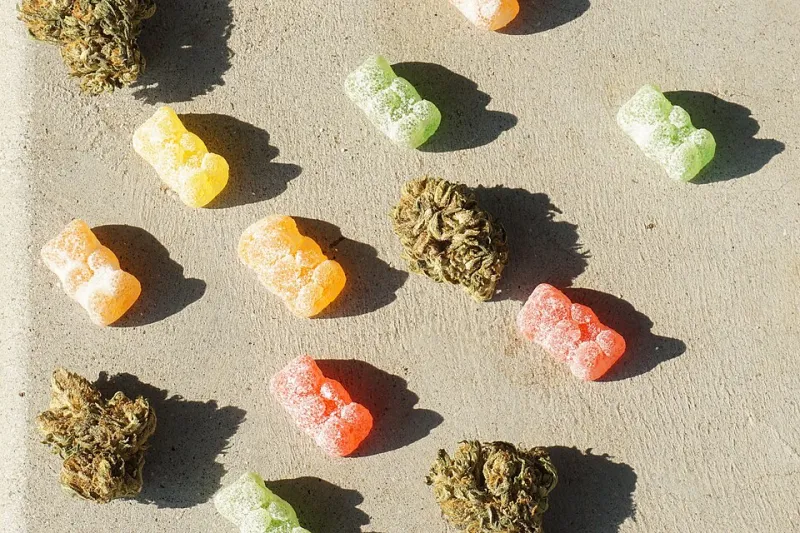
Photo: elsaolofsson, CC BY 2.0, via Wikimedia Commons
You did the research. You read the labels, compared the milligrams, maybe even checked the third-party lab reports. Then you tossed the bag on your kitchen counter and forgot about it for three weeks.
Here's the thing — how you store your CBD gummies matters almost as much as which ones you buy. Cannabidiol is a naturally occurring compound, and like most things that come from plants, it doesn't love being exposed to heat, light, or moisture. Ignore those factors long enough, and you're essentially paying premium prices for glorified sugar.
Let's break down what's actually happening when your gummies degrade, what you're probably doing wrong, and how a few simple changes can make your stash last significantly longer.
Why CBD Gummies Break Down in the First Place
CBD, along with the other cannabinoids in your gummies, is sensitive to environmental stress. The primary culprits are heat, light, oxygen, and humidity — sometimes called the "four enemies" of cannabinoid stability.
When CBD is exposed to high temperatures, the molecular structure begins to break down through a process called degradation. The compound doesn't disappear overnight, but its potency gradually decreases. Light — specifically UV light — accelerates this process significantly, which is why quality brands often package their products in dark or opaque containers.
Oxygen exposure causes oxidation, which can alter the chemical composition of the cannabinoids over time. And humidity? That's the sneaky one. Moisture doesn't just affect the CBD itself — it creates the perfect environment for mold and bacteria to thrive in your gummies, especially if they're made with natural ingredients.
The Most Common Storage Mistakes People Make
Leaving them on the counter or near the stove. Kitchen counters are one of the worst places to store CBD gummies. Temperature fluctuations from cooking, sunlight streaming through windows, and ambient heat all combine to create a degradation-friendly environment. That cute little dish next to your coffee maker? Not the move.
Keeping them in the original bag after opening. Many CBD gummies come in resealable pouches, but those seals aren't airtight. Every time you open and close the bag, you're letting in fresh oxygen. Over weeks, that adds up.
Storing them in the bathroom medicine cabinet. This feels intuitive — it's where you keep your vitamins, right? But bathrooms are humidity hotspots. Steam from showers creates exactly the kind of moist environment that degrades gummies faster and encourages mold growth.
Leaving them in a hot car. Temperatures inside a parked car can exceed 130°F on a summer day in states like Texas or Arizona. A single afternoon in that environment can do more damage than months of mild exposure elsewhere.
What Actually Works: Storage Solutions That Protect Potency
Cool, Dark, and Dry Is the Golden Rule
A pantry, cupboard, or kitchen drawer away from the stove and windows is genuinely one of the best spots for CBD gummies. Consistent room temperature — ideally between 60°F and 70°F — is ideal. You don't need anything fancy. You just need stability.
Upgrade Your Container
If your gummies came in a resealable pouch, consider transferring them to an airtight glass jar after opening. Mason jars work great. Amber or dark-tinted glass is even better because it blocks UV light. Silicone-sealed containers are another solid option. The goal is to minimize oxygen and light exposure with every storage cycle.
The Fridge Question
Refrigeration is a legitimate option, but it comes with caveats. The cold temperature does slow degradation, but moisture is a real concern. If you go the fridge route, make sure your container is completely airtight and allow the gummies to come to room temperature before opening the container — this prevents condensation from forming inside.
Freezing is generally overkill for CBD gummies and can affect texture, making them brittle or altering the consistency of the gelatin. Unless you're buying in extreme bulk and planning to store for six-plus months, the freezer isn't necessary.
Watch the Humidity Level
If you live somewhere humid — think Florida, Louisiana, or coastal areas — consider adding a food-safe desiccant packet to your storage container. These are the small silica gel packets you see in supplement bottles. They absorb excess moisture and can meaningfully extend shelf life.
How Long Do CBD Gummies Actually Last?
Most quality CBD gummies have a stated shelf life of 12 to 24 months from the manufacture date. But that estimate assumes reasonable storage conditions. Expose them to heat and light consistently, and you might be looking at significantly reduced potency well before that date.
One practical tip: check the batch date on your certificate of analysis (COA) if available, not just the "best by" date on the package. The COA gives you a clearer picture of when the product was actually made and tested.
Signs Your Gummies Have Gone Bad
Not sure if your stash is still good? Look for these red flags:
- Unusual smell — a rancid or off odor suggests the oils have oxidized
- Visible mold — any fuzzy growth means toss immediately
- Dramatic texture changes — if they've become rock hard or have developed a wet, sticky surface, moisture has likely compromised them
- Faded color — significant color changes can indicate UV degradation
- Reduced effects — this one's subjective, but if your usual dose isn't doing what it used to, potency loss may be a factor
The Bottom Line
Storing CBD gummies well isn't complicated, but it does require a little intentionality. Treat them more like a quality supplement than a bag of grocery store candy, and they'll reward you with consistent potency through the last gummy in the container. A dark cupboard, an airtight jar, and a little awareness about temperature and humidity is genuinely all it takes.